Chrome-moly alloy steel grades — F5, F9, F11, F22, F91
Chrome-moly steels are low-alloy steels with 1–9 % chromium and 0.5–1 % molybdenum. Chromium gives oxidation and sulphidation resistance; molybdenum gives creep strength at high temperature. They are the standard choice for steam and hot hydrocarbon service above the carbon-steel range.
What chrome-moly alloy steel is
Grades are named after their alloy content: F11 / P11 is 1¼Cr-½Mo, F22 / P22 is 2¼Cr-1Mo, F5 / P5 is 5Cr-½Mo, F9 / P9 is 9Cr-1Mo, and F91 / P91 is 9Cr-1Mo modified with vanadium and niobium for much higher creep strength.
- Chromium 1–9.5 % and molybdenum 0.44–1.13 %
- F91 / P91 / WP91 add vanadium, niobium and nitrogen
- Supplied normalised and tempered, or annealed
- Hardness ranges controlled for weldability and hydrogen service
Key properties
| Typical service range | 425–600 °C (F91 to about 650 °C) |
|---|---|
| F11 Cl.2 / F22 Cl.3 yield, min | 275 / 310 MPa |
| F91 yield, min | 415 MPa |
| ASME B16.5 material groups | 1.9 (F11), 1.10 (F22), 1.13 (F5), 1.14 (F9), 1.15 (F91) |
Chrome-moly alloy steel grades compared
Chemistry and minimum room-temperature properties from the governing ASTM / ASME / API specifications. Open any grade for its full data sheet and PDF.
| Grade | Form | UNS | Cr% | Ni% | Mo% | C% | YieldMPa min | TensileMPa min |
|---|---|---|---|---|---|---|---|---|
| ASTM A182 F11 Cl.2 | Forged flanges & fittings | K11572 | 1.00–1.50 | — | 0.44–0.65 | 0.10–0.20 | 275 | 485 |
| ASTM A182 F22 Cl.3 | Forged flanges & fittings | K21590 | 2.00–2.50 | — | 0.87–1.13 | 0.05–0.15 | 310 | 515 |
| ASTM A182 F91 | Forged flanges & fittings | K90901 | 8.0–9.5 | 0.40 max | 0.85–1.05 | 0.08–0.12 | 415 | 620 |
| ASTM A234 WP11 Cl.1 | Wrought butt-weld fittings | K11597 | 1.00–1.50 | — | 0.44–0.65 | 0.05–0.15 | 205 | 415 |
| ASTM A234 WP22 Cl.1 | Wrought butt-weld fittings | K21590 | 1.90–2.60 | — | 0.87–1.13 | 0.05–0.15 | 205 | 415 |
| ASTM A335 P11 | Seamless pipe | K11597 | 1.00–1.50 | — | 0.44–0.65 | 0.05–0.15 | 205 | 415 |
| ASTM A335 P22 | Seamless pipe | K21590 | 1.90–2.60 | — | 0.87–1.13 | 0.05–0.15 | 205 | 415 |
| ASTM A335 P91 | Seamless pipe | K90901 | 8.00–9.50 | 0.40 max | 0.85–1.05 | 0.08–0.12 | 415 | 585 |
| ASTM A182 F5 | Forged flanges & fittings | K41545 | 4.0–6.0 | 0.50 max | 0.44–0.65 | 0.15 max | 275 | 485 |
| ASTM A182 F9 | Forged flanges & fittings | K90941 | 8.0–10.0 | — | 0.90–1.10 | 0.15 max | 380 | 585 |
| ASTM A182 F12 Cl.2 | Forged flanges & fittings | K11564 | 0.80–1.25 | — | 0.44–0.65 | 0.10–0.20 | 275 | 485 |
| ASTM A234 WP5 Cl.1 | Wrought butt-weld fittings | K41545 | 4.0–6.0 | — | 0.44–0.65 | 0.15 max | 205 | 415 |
| ASTM A234 WP9 Cl.1 | Wrought butt-weld fittings | K90941 | 8.0–10.0 | — | 0.90–1.10 | 0.15 max | 205 | 415 |
| ASTM A234 WP91 Type 1 | Wrought butt-weld fittings | K90901 | 8.0–9.5 | 0.40 max | 0.85–1.05 | 0.08–0.12 | 415 | 585 |
| ASTM A335 P5 | Seamless pipe | K41545 | 4.00–6.00 | — | 0.45–0.65 | 0.15 max | 205 | 415 |
| ASTM A335 P9 | Seamless pipe | K90941 | 8.00–10.00 | — | 0.90–1.10 | 0.15 max | 205 | 415 |
| ASTM A335 P12 | Seamless pipe | K11562 | 0.80–1.25 | — | 0.44–0.65 | 0.05–0.15 | 220 | 415 |
| ASTM A217 WC6 | Alloy steel castings | J12072 | 1.00–1.50 | — | 0.45–0.65 | 0.05–0.20 | 275 | 485 |
| ASTM A217 WC9 | Alloy steel castings | J21890 | 2.00–2.75 | — | 0.90–1.20 | 0.05–0.18 | 275 | 485 |
| ASTM A182 F1 | Forged flanges & fittings | K12822 | — | — | 0.44–0.65 | 0.28 max | 275 | 485 |
| ASTM A182 F2 | Forged flanges & fittings | K12122 | 0.50–0.81 | — | 0.44–0.65 | 0.05–0.21 | 275 | 485 |
| ASTM A182 F5a | Forged flanges & fittings | K42544 | 4.0–6.0 | 0.50 max | 0.44–0.65 | 0.25 max | 450 | 620 |
| ASTM A182 F11 Cl.1 | Forged flanges & fittings | K11597 | 1.00–1.50 | — | 0.44–0.65 | 0.05–0.15 | 205 | 415 |
| ASTM A182 F11 Cl.3 | Forged flanges & fittings | K11572 | 1.00–1.50 | — | 0.44–0.65 | 0.10–0.20 | 310 | 515 |
| ASTM A182 F12 Cl.1 | Forged flanges & fittings | K11562 | 0.80–1.25 | — | 0.44–0.65 | 0.05–0.15 | 220 | 415 |
| ASTM A182 F21 | Forged flanges & fittings | K31545 | 2.7–3.3 | — | 0.80–1.06 | 0.05–0.15 | 310 | 515 |
| ASTM A182 F22 Cl.1 | Forged flanges & fittings | K21590 | 2.00–2.50 | — | 0.87–1.13 | 0.05–0.15 | 205 | 415 |
| ASTM A182 F92 | Forged flanges & fittings | K92460 | 8.50–9.50 | 0.40 max | 0.30–0.60 | 0.07–0.13 | 440 | 620 |
| ASTM A335 P1 | Seamless pipe | K11522 | — | — | 0.44–0.65 | 0.10–0.20 | 205 | 380 |
| ASTM A335 P2 | Seamless pipe | K11547 | 0.50–0.81 | — | 0.44–0.65 | 0.10–0.20 | 205 | 380 |
| ASTM A335 P15 | Seamless pipe | K11578 | — | — | 0.44–0.65 | 0.05–0.15 | 205 | 415 |
| ASTM A335 P21 | Seamless pipe | K31545 | 2.65–3.35 | — | 0.80–1.06 | 0.05–0.15 | 205 | 415 |
| ASTM A335 P23 | Seamless pipe | UNS K41650 | 1.90–2.60 | 0.40 max | 0.05–0.30 | 0.04–0.10 | 400 | 510 |
| ASTM A335 P92 | Seamless pipe | K92460 | 8.50–9.50 | 0.40 max | 0.30–0.60 | 0.07–0.13 | 440 | 620 |
| ASTM A234 WP1 | Wrought butt-weld fittings | K12821 | — | — | 0.44–0.65 | 0.28 max | 205 | 380 |
| ASTM A234 WP11 Cl.2 | Wrought butt-weld fittings | K11572 | 1.00–1.50 | — | 0.44–0.65 | 0.05–0.20 | 275 | 485 |
| ASTM A234 WP11 Cl.3 | Wrought butt-weld fittings | K11572 | 1.00–1.50 | — | 0.44–0.65 | 0.05–0.20 | 310 | 520 |
| ASTM A234 WP12 Cl.1 | Wrought butt-weld fittings | K12062 | 0.80–1.25 | — | 0.44–0.65 | 0.05–0.20 | 220 | 415 |
| ASTM A234 WP22 Cl.3 | Wrought butt-weld fittings | K21590 | 1.90–2.60 | — | 0.87–1.13 | 0.05–0.15 | 310 | 520 |
| ASTM A234 WP92 | Wrought butt-weld fittings | K92460 | 8.50–9.50 | 0.40 max | 0.30–0.60 | 0.07–0.13 | 440 | 620 |
| ASTM A217 WC1 | Alloy steel castings | J12524 | — | — | 0.45–0.65 | 0.25 max | 240 | 450 |
| ASTM A217 C5 | Alloy steel castings | J42045 | 4.00–6.50 | — | 0.45–0.65 | 0.20 max | 415 | 620 |
| ASTM A217 C12 | Alloy steel castings | J82090 | 8.00–10.00 | — | 0.90–1.20 | 0.20 max | 415 | 620 |
| ASTM A217 C12A | Alloy steel castings | J84090 | 8.0–9.5 | 0.40 max | 0.85–1.05 | 0.08–0.12 | 415 | 585 |
| ASTM A387 Grade 11 Cl.2 | Pressure-vessel plate | K11789 | 1.00–1.50 | — | 0.45–0.65 | 0.05–0.17 | 310 | 515 |
| ASTM A387 Grade 22 Cl.2 | Pressure-vessel plate | K21590 | 2.00–2.50 | — | 0.90–1.10 | 0.05–0.15 | 310 | 515 |
| ASTM A387 Grade 91 Cl.2 | Pressure-vessel plate | K90901 | 8.00–9.50 | 0.40 max | 0.85–1.05 | 0.08–0.12 | 415 | 585 |
Reference information compiled from the published standard for convenience. It does not replace the current edition of the governing standard, which takes precedence. Verify critical dimensions and properties before design, purchase or fabrication. Teshi Engineers & Sales Promoters (P) Ltd accepts no liability for errors or omissions.
Specifications by product form
| Product form | Grades |
|---|---|
| Forged flanges & fittings | ASTM A182 F11 Cl.2, ASTM A182 F22 Cl.3, ASTM A182 F91, ASTM A182 F5, ASTM A182 F9, ASTM A182 F12 Cl.2, ASTM A182 F1, ASTM A182 F2, ASTM A182 F5a, ASTM A182 F11 Cl.1, ASTM A182 F11 Cl.3, ASTM A182 F12 Cl.1, ASTM A182 F21, ASTM A182 F22 Cl.1, ASTM A182 F92 |
| Wrought butt-weld fittings | ASTM A234 WP11 Cl.1, ASTM A234 WP22 Cl.1, ASTM A234 WP5 Cl.1, ASTM A234 WP9 Cl.1, ASTM A234 WP91 Type 1, ASTM A234 WP1, ASTM A234 WP11 Cl.2, ASTM A234 WP11 Cl.3, ASTM A234 WP12 Cl.1, ASTM A234 WP22 Cl.3, ASTM A234 WP92 |
| Seamless pipe | ASTM A335 P11, ASTM A335 P22, ASTM A335 P91, ASTM A335 P5, ASTM A335 P9, ASTM A335 P12, ASTM A335 P1, ASTM A335 P2, ASTM A335 P15, ASTM A335 P21, ASTM A335 P23, ASTM A335 P92 |
| Alloy steel castings | ASTM A217 WC6, ASTM A217 WC9, ASTM A217 WC1, ASTM A217 C5, ASTM A217 C12, ASTM A217 C12A |
| Pressure-vessel plate | ASTM A387 Grade 11 Cl.2, ASTM A387 Grade 22 Cl.2, ASTM A387 Grade 91 Cl.2 |
Where chrome-moly alloy steel is used
- Main steam, hot and cold reheat lines in power plants
- Refinery heaters, hydrocrackers and reformers
- Hydrogen and high-temperature sulphidic service
- Boiler headers and superheaters
Welding and fabrication
Cr-Mo steels need preheat, controlled interpass temperature and post-weld heat treatment. P91/F91 is particularly sensitive: tempering temperature and time must be controlled tightly, and hardness is checked after PWHT. Positive material identification (PMI) is standard on every piece.
FAQ
Chrome-moly alloy steel: common questions
What is the difference between F11 and F22?
F11 is 1¼Cr-½Mo; F22 is 2¼Cr-1Mo. F22 has more chromium and molybdenum, so it has higher creep strength and better resistance to hydrogen and high-temperature corrosion.
Why is F91 used in power plants?
F91 (9Cr-1Mo-V) has roughly twice the creep strength of F22 at 550–600 °C, so walls can be thinner and lighter for the same pressure — important for main steam lines in supercritical units.
Which grades match P91 pipe?
A234 WP91 butt-weld fittings, A182 F91 flanges and forged fittings, and A217 C12A valve castings.
Chrome-moly products from Teshi Group
Chrome-Moly Alloy Steel Flanges & Fittings — F5 to F91
Grades, sizes and standards we supply
ViewMaterial productsASTM A182 F11 / F22 Alloy Steel Flanges
Grades, sizes and standards we supply
ViewMaterial productsASTM A182 F5 / F9 / F91 Alloy Steel Flanges
Grades, sizes and standards we supply
ViewMaterial productsAlloy Steel WP11 / WP22 / WP91 Pipe Fittings
Grades, sizes and standards we supply
ViewOEM manufacturerIndustrial Flanges
ViewOEM manufacturerButt Weld Fittings
ViewStockist & supplierIndustrial Pipes
ViewOEM manufacturerIndustrial Valves
ViewIBR products in chrome-moly and carbon steel
All IBR products →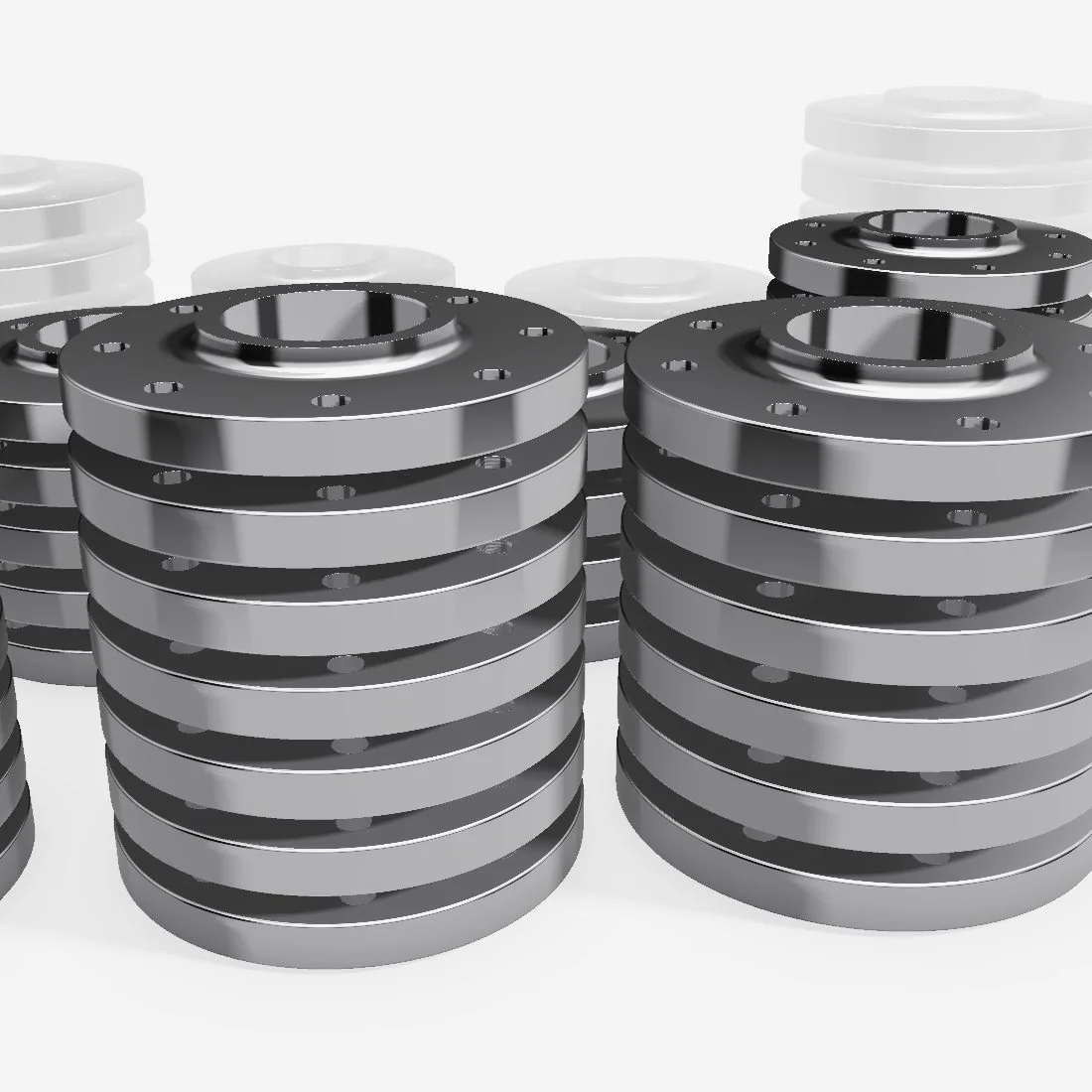
Ready to build to spec?
Share your drawing, bill of materials or technical requirements with the Teshi team.