Hastelloy C-276, C-22, Monel 400 & Alloy 20 Flanges & Fittings
When stainless and duplex steels are not enough, nickel–molybdenum and nickel–copper alloys handle wet chlorine, hydrochloric and hydrofluoric acids, ferric chlorides and hot sulphuric acid.
Teshi Group manufactures Hastelloy C-276 and C-22, Monel 400 and Alloy 20 flanges and fittings to ASTM B564, B462 and B366 for severe chemical, petrochemical and pollution-control service.
Hastelloy, Monel & Alloy 20 — grades, chemistry and properties
Grades and ASTM / ASME specifications
| Grade | Forged flanges & fittings | Butt weld fittings | Plate | Pipe |
|---|---|---|---|---|
| Hastelloy C-276UNS N10276 · W.Nr. 2.4819 | ASTM B564 N10276 | ASTM B366 WPHC276 | ASTM B575 | ASTM B622 |
| Hastelloy C-22UNS N06022 · W.Nr. 2.4602 | ASTM B564 N06022 | ASTM B366 WPHC22 | ASTM B575 | ASTM B622 |
| Monel 400UNS N04400 · W.Nr. 2.4360 | ASTM B564 N04400 | ASTM B366 WPNC | ASTM B127 | ASTM B165 |
| Alloy 20UNS N08020 · W.Nr. 2.4660 | ASTM B462 N08020 | ASTM B366 WP20CB | ASTM B463 | ASTM B464 / B729 |
Chemical composition (weight %, maximum unless a range is given)
| Grade | C | Mn | Si | Cr | Ni | Mo | Cu | W | Nb | Co | Fe |
|---|---|---|---|---|---|---|---|---|---|---|---|
| Hastelloy C-276 | 0.010 | — | — | 14.5–16.5 | Balance | 15.0–17.0 | — | 3.0–4.5 | — | 2.5 | 4.0–7.0 |
| Hastelloy C-22 | 0.015 | — | — | 20.0–22.5 | Balance | 12.5–14.5 | — | 2.5–3.5 | — | 2.5 | 2.0–6.0 |
| Monel 400 | 0.3 | 2.0 | 0.5 | — | 63.0 min | — | 28.0–34.0 | — | — | — | 2.5 |
| Alloy 20 | 0.07 | — | — | 19.0–21.0 | 32.0–38.0 | 2.0–3.0 | 3.0–4.0 | — | 8×C – 1.00 | — | — |
Mechanical properties (minimum, room temperature)
| Grade | Tensile strength | Yield strength (0.2 %) | Elongation | Note |
|---|---|---|---|---|
| Hastelloy C-276 | 690 MPa (100 ksi) | 283 MPa (41 ksi) | 40 % | Universal corrosion |
| Hastelloy C-22 | 690 MPa (100 ksi) | 310 MPa (45 ksi) | 45 % | Oxidising media |
| Monel 400 | 483 MPa (70 ksi) | 172 MPa (25 ksi) | 35 % | HF, seawater |
| Alloy 20 | 551 MPa (80 ksi) | 241 MPa (35 ksi) | 30 % | Hot H₂SO₄ |
Values are minimums and limits from the governing ASTM / ASME specifications, summarised for convenience. The current edition of the specification takes precedence; confirm requirements against your project specification.
Where it is used
- Wet chlorine and chlorine dioxide service (C-276, C-22)
- Flue-gas desulphurisation and pollution control
- Hydrofluoric acid alkylation and seawater (Monel 400)
- Hot sulphuric acid piping (Alloy 20)
- Pharmaceutical and fine-chemical reactors
Testing & certification
- PMI on every piece
- ASTM G28 intergranular corrosion testing when specified
- Solution annealing per specification
- EN 10204 3.1 certificate; 3.2 on request
Hastelloy, Monel & Alloy 20 products we manufacture
All products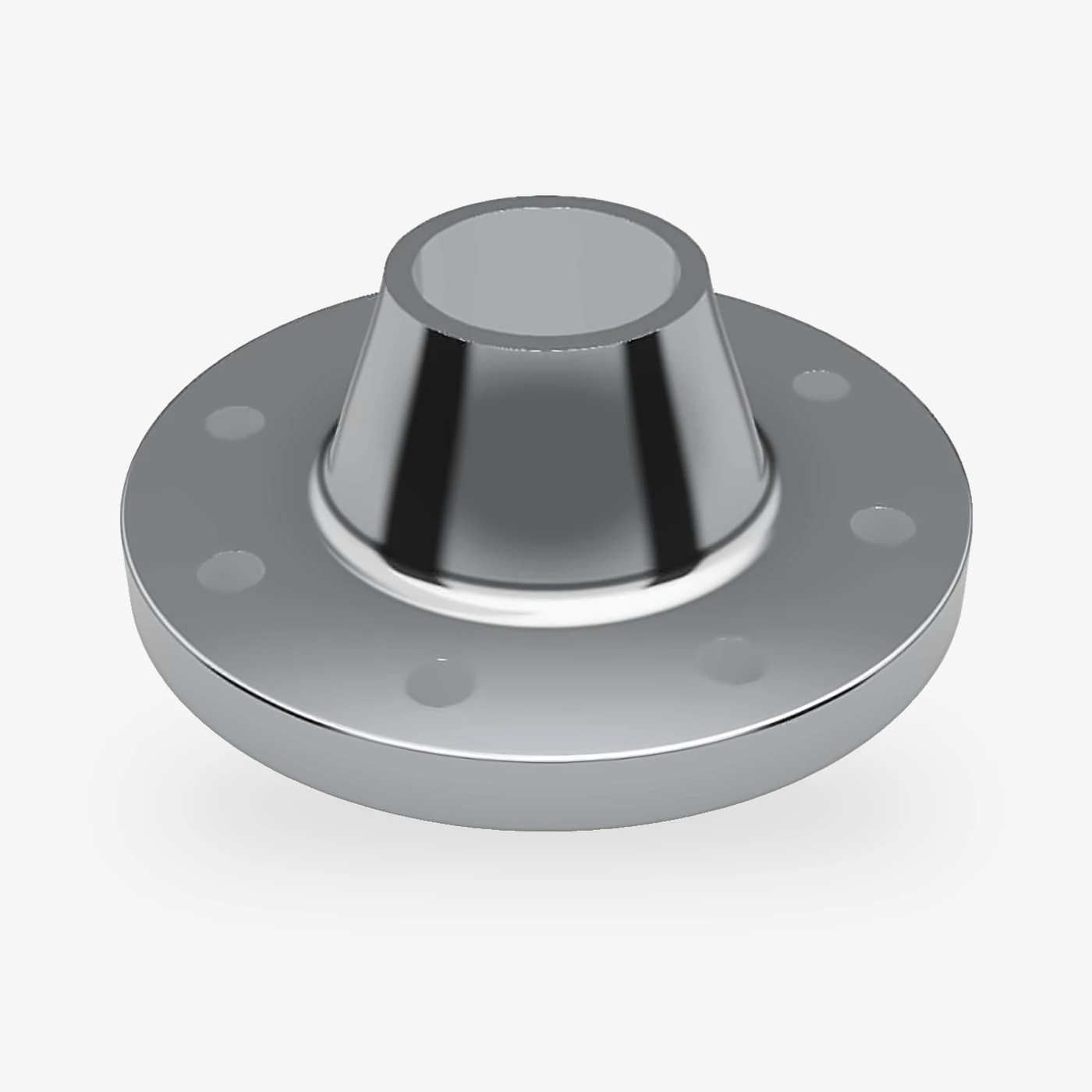 01OEM manufacturer
Weld Neck Flanges
ASME B16.5 · ASME B16.47
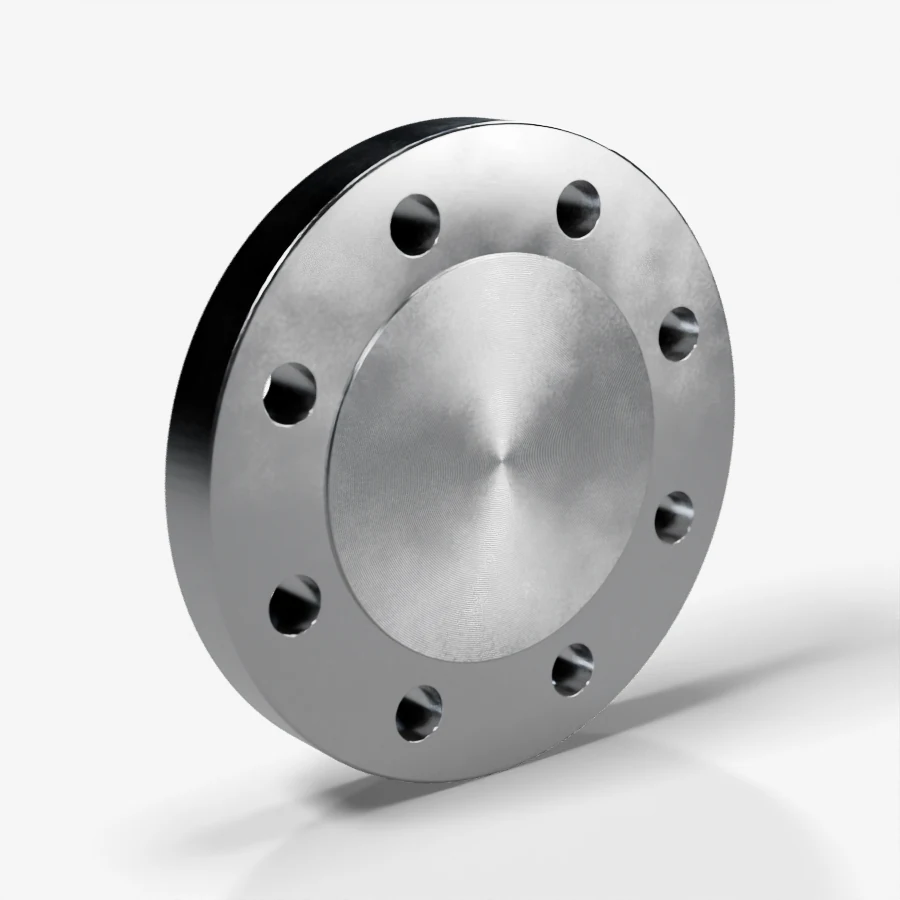 02OEM manufacturer
Blind Flanges
ASME B16.5 · ASME B16.47
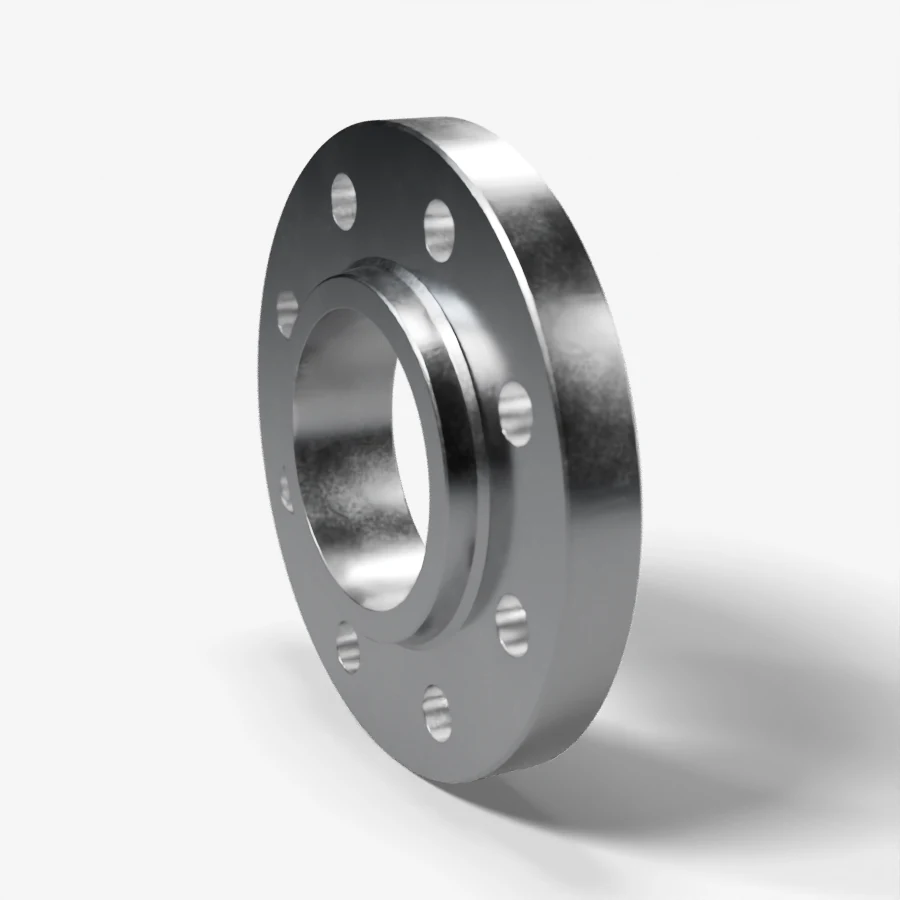 03OEM manufacturer
Slip-On Flanges
ASME B16.5 · EN 1092-1 Type 12
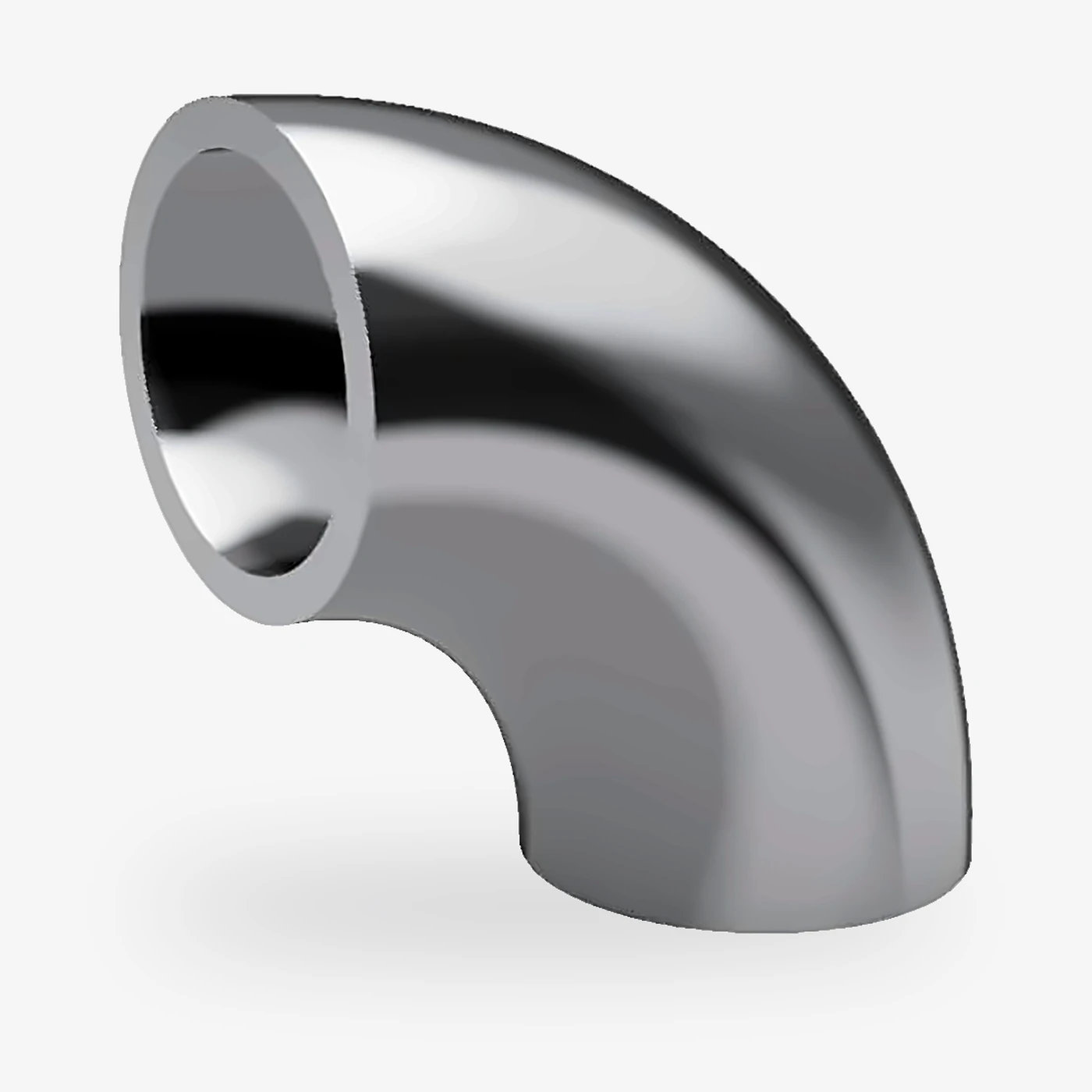 04OEM manufacturer
Butt Weld Elbows
ASME B16.9 · ASME B16.25
 05OEM manufacturer
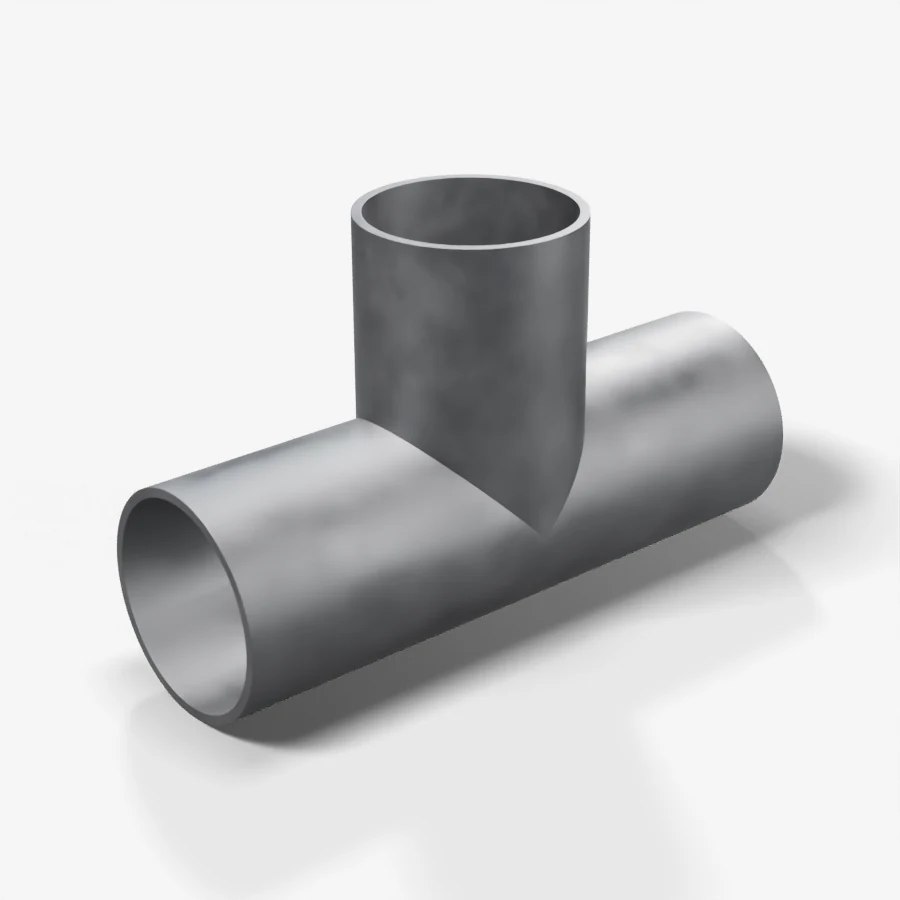
Butt Weld Tees
ASME B16.9 · ASME B16.25
 06OEM manufacturer
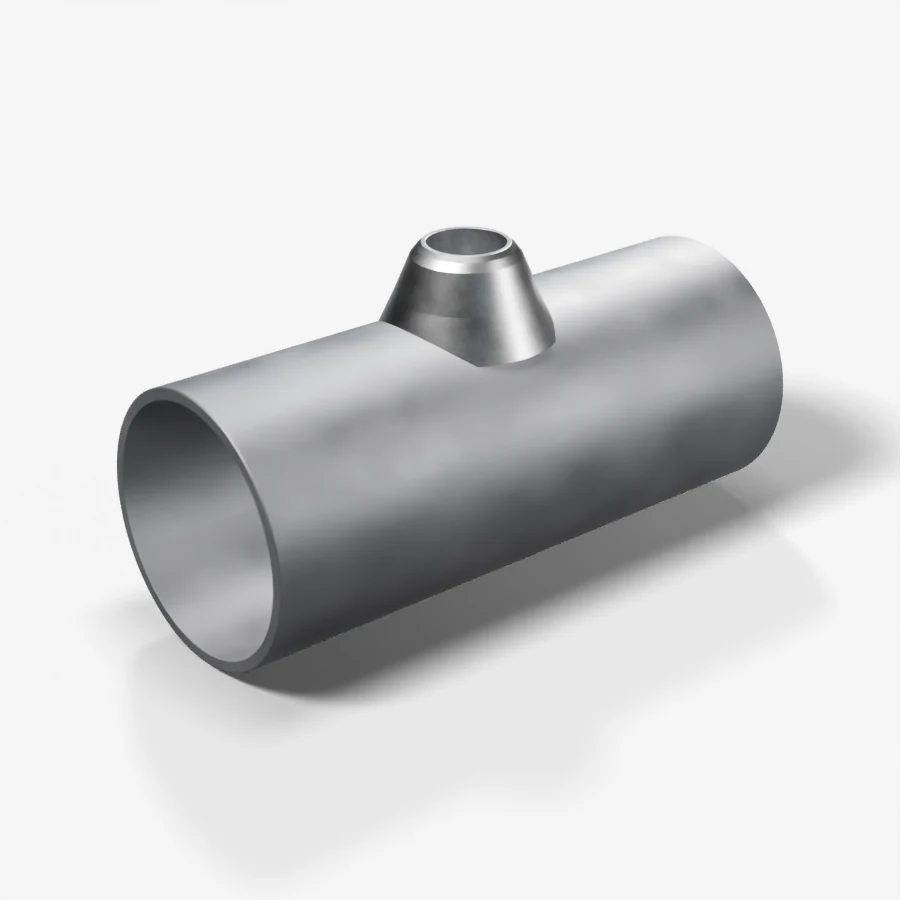
Weldolets & Sockolets
MSS SP-97 · ASME B16.11
Industries and projects
Chemical & Petrochemical
Where Hastelloy, Monel & Alloy 20 is specified
ViewIndustryRefining
Where Hastelloy, Monel & Alloy 20 is specified
ViewIndustryMining & Smelters
Where Hastelloy, Monel & Alloy 20 is specified
ViewProjectsMega-projects & EPC supply
Project BOQs, shutdowns and annual rate contracts
ViewOther materials
Hastelloy, Monel & Alloy 20 by product
FAQ
Hastelloy, Monel & Alloy 20: common questions
What is Hastelloy C-276 used for?
C-276 (UNS N10276) resists a very wide range of media including wet chlorine, ferric and cupric chlorides, and oxidising and reducing acids, so it is used in chemical reactors, FGD scrubbers and pollution-control systems.
Which specification covers Monel 400 flanges?
Monel 400 (UNS N04400) forged flanges are made to ASTM B564 and butt weld fittings to ASTM B366 WPNC.
Why is Alloy 20 used for sulphuric acid?
Alloy 20 (UNS N08020) combines 32–38 % nickel with copper, molybdenum and niobium stabilisation, giving good resistance to hot sulphuric acid at moderate cost.
Is C-22 better than C-276?
C-22 has more chromium, so it performs better in oxidising media and resists localised corrosion; C-276 is stronger in reducing conditions. The choice depends on the process chemistry.
Ready to build to spec?
Share your drawing, bill of materials or technical requirements with the Teshi team.