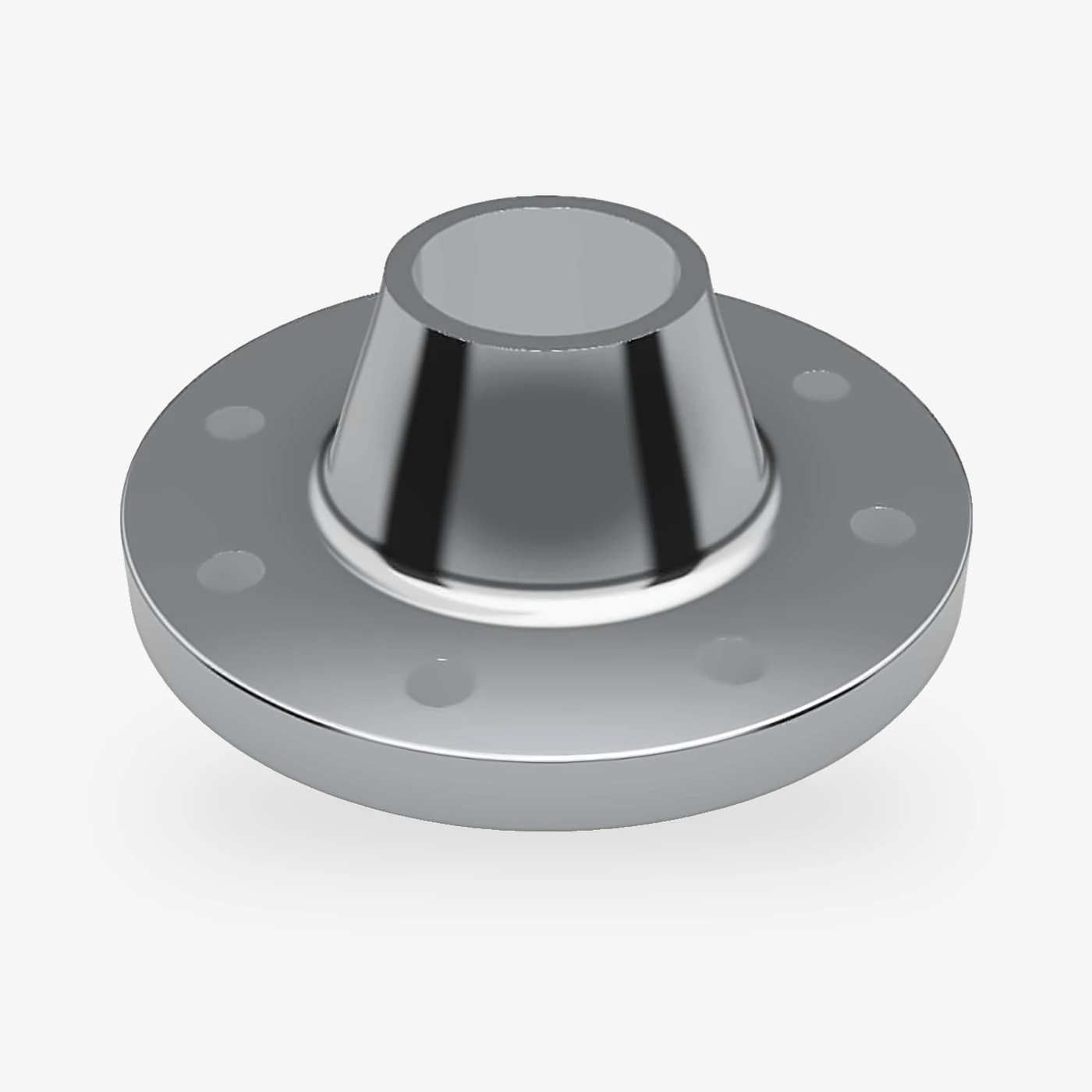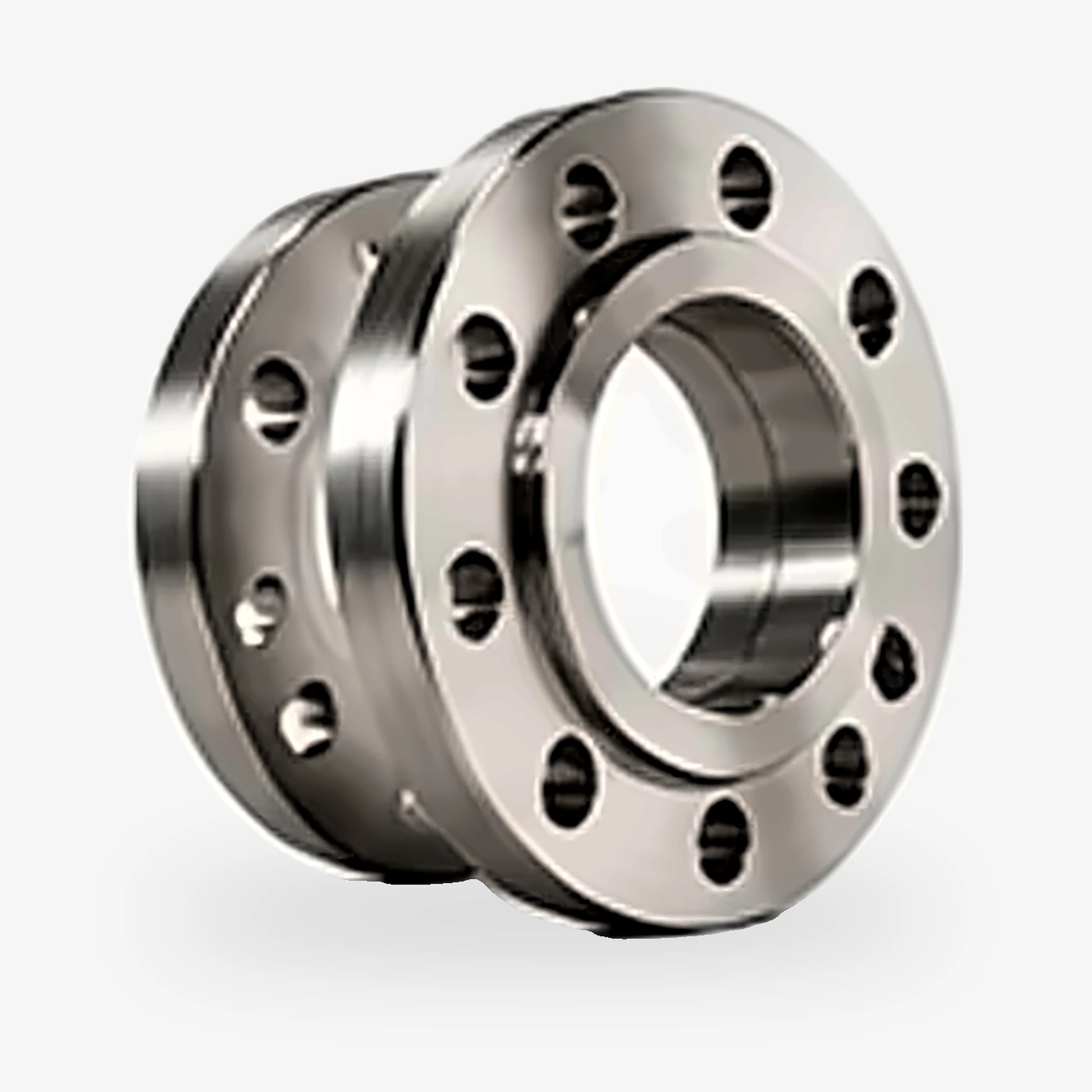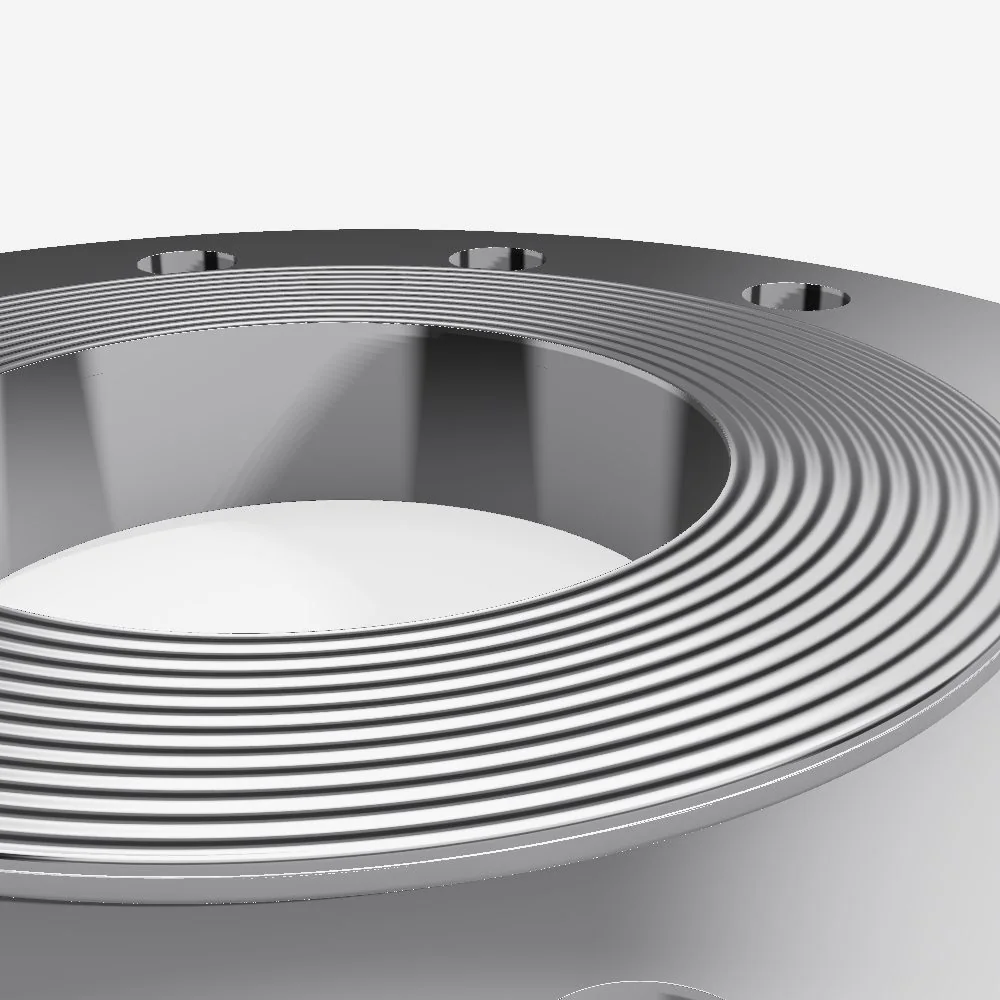
Every flange and fitting we manufacture is dispatched with a mill test certificate (MTC). It's the document that links the part in your hand to the heat of steel it was made from.
1. Match the heat number
The heat number is hard-stamped on the component. It must match a heat number on the certificate. If it doesn't, the certificate doesn't belong to that part.
2. Check the certificate type
EN 10204 3.1 is issued and signed by the manufacturer's independent inspection department. 3.2 is additionally countersigned by a third-party inspector or the purchaser's representative. Your purchase order should say which one you need.
3. Compare chemistry and mechanicals to the spec
- Chemical analysis: carbon, manganese, and for stainless, chromium, nickel and molybdenum.
- Mechanical tests: tensile strength, yield strength, elongation and, where specified, hardness and impact values.
- Each value should sit inside the limits of the material standard — A105, A182 F316, A234 WPB and so on.
4. Look for heat treatment and NDT
If the standard or your order requires normalising, solution annealing or ultrasonic testing, the certificate should record it.
A certificate that is complete, consistent and traceable is worth as much as the steel itself.
Writing from the Teshi engineering team in India — on flanges, fittings and the work of building to spec.