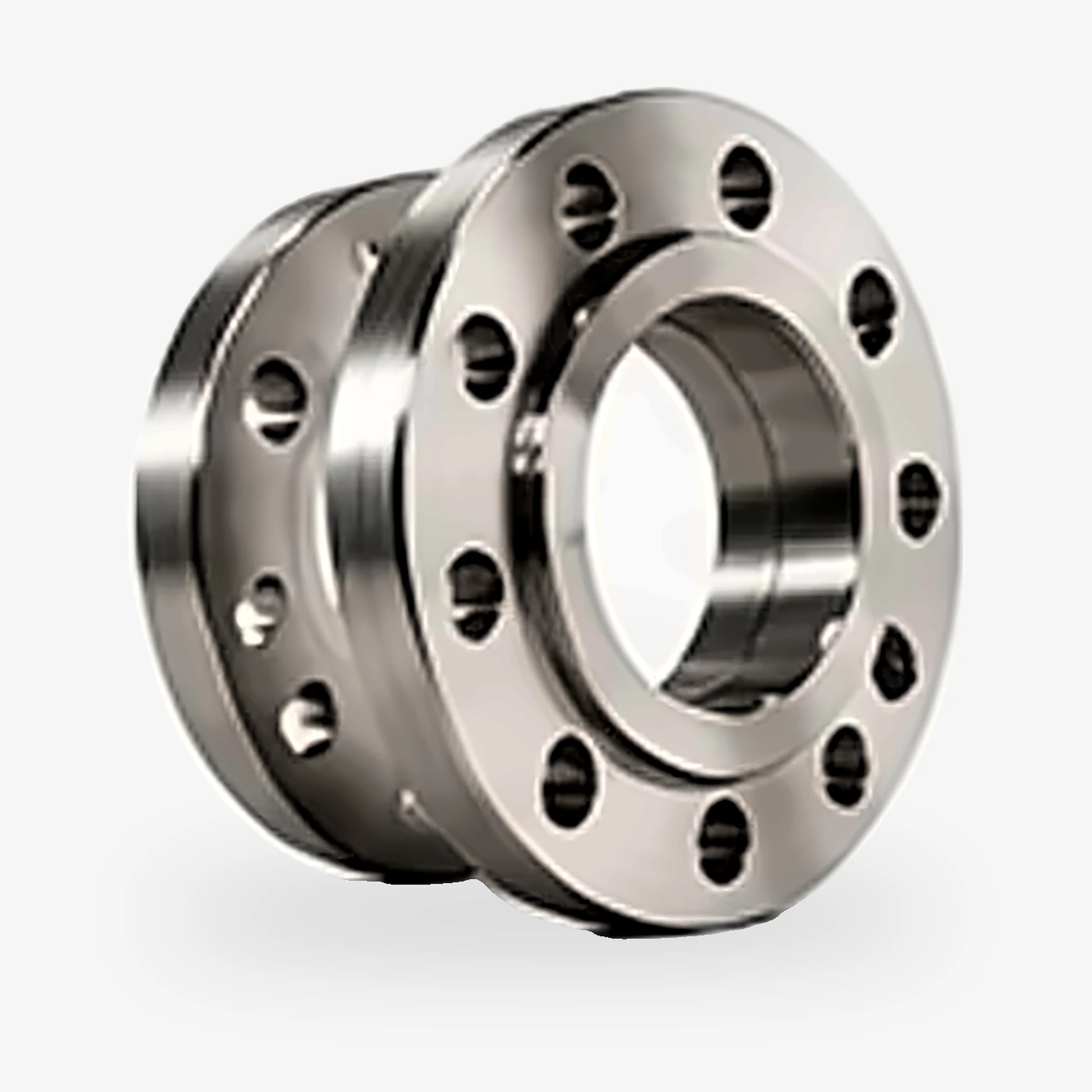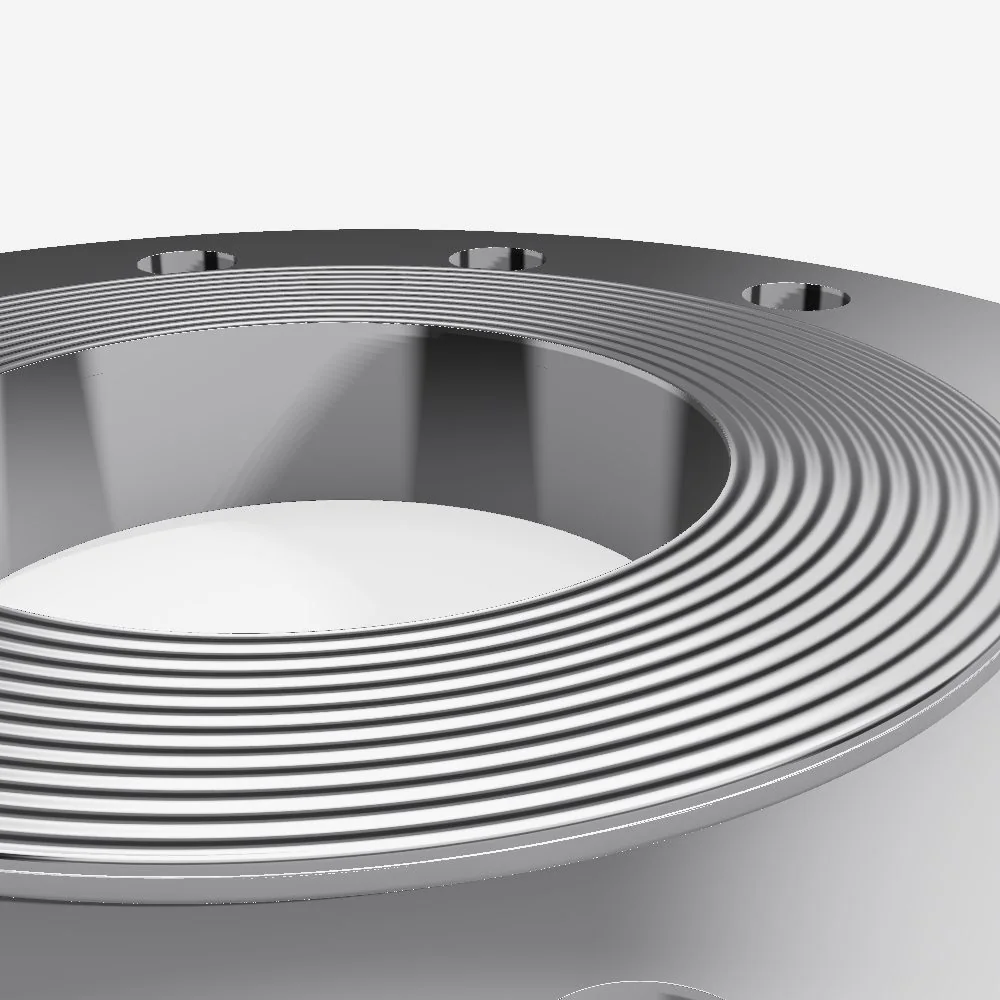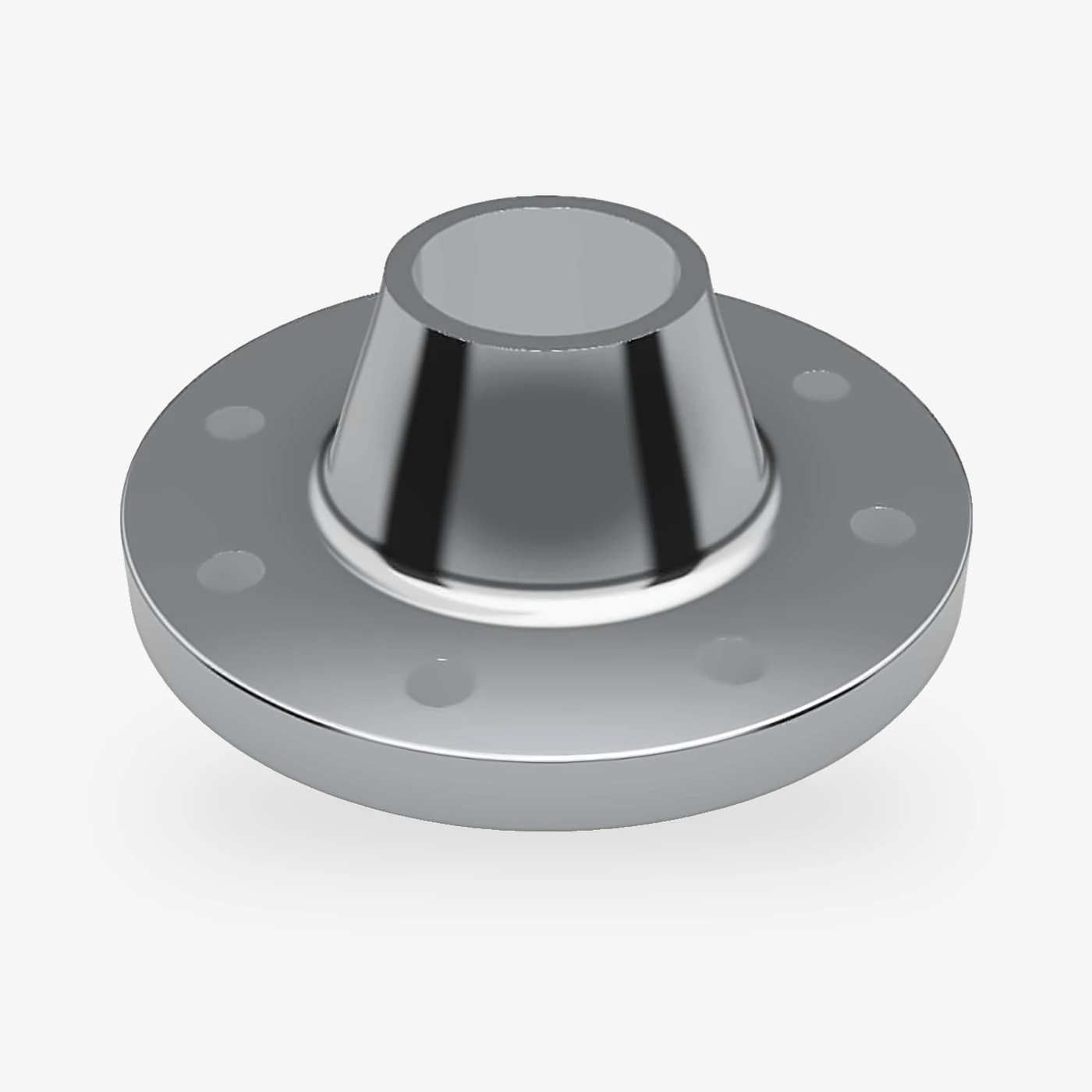
Ask for a “150 pound flange” and most people assume it holds 150 psi. It doesn't — and the difference matters when you size a line.
Class is a family, not a number
ASME B16.5 groups flanges into classes: 150, 300, 400, 600, 900, 1500 and 2500. Each class has its own dimensions — outside diameter, bolt circle, number and size of bolts, and thickness. The allowable working pressure for a class depends on two more things: the material group and the design temperature.
For a common carbon steel flange in A105, Class 150 is good for roughly 19–20 bar at ambient temperature. As the temperature rises, the allowable pressure falls. At 400 °C the same flange is rated well under half of that.
How to pick the right class
- Start with your design pressure and design temperature, not your operating values.
- Find your material group in the B16.5 tables (A105 is Group 1.1; F316 is Group 2.2).
- Read across to your temperature and choose the lowest class whose rating is above your design pressure.
- Check the class of the valves and equipment the flange will bolt to — mating flanges must match.
If two classes both work, the lower class is lighter and cheaper — but confirm your piping specification doesn't already fix the class for you.
Don't forget the gasket and bolts
The rating assumes the right gasket and bolting. A Class 600 flange with an under-specified gasket or low-grade studs won't perform as a Class 600 joint. We supply flanges, gaskets and B7/2H stud sets together so the joint is specified once.
Need help reading a piping spec? Send it to our engineers with your RFQ and we'll confirm the class before quoting.
Writing from the Teshi engineering team in India — on flanges, fittings and the work of building to spec.